A young office does not need a brand cave. It needs a plan that can take a different team next year.
Startup office guides tend to become lists: hot desks, a slide, a pantry. The real problem is time. Headcount moves. Teams form and dissolve. A fit-out that is a complete picture of today’s organogram will be waste in eighteen months. The useful work is to decide what is fixed — services, acoustics, light, a meeting room that is actually a room — and what can be rearranged without another demolition.
Flexibility is not beanbags. It is a floor that can be re-occupied.
Fix the expensive metres
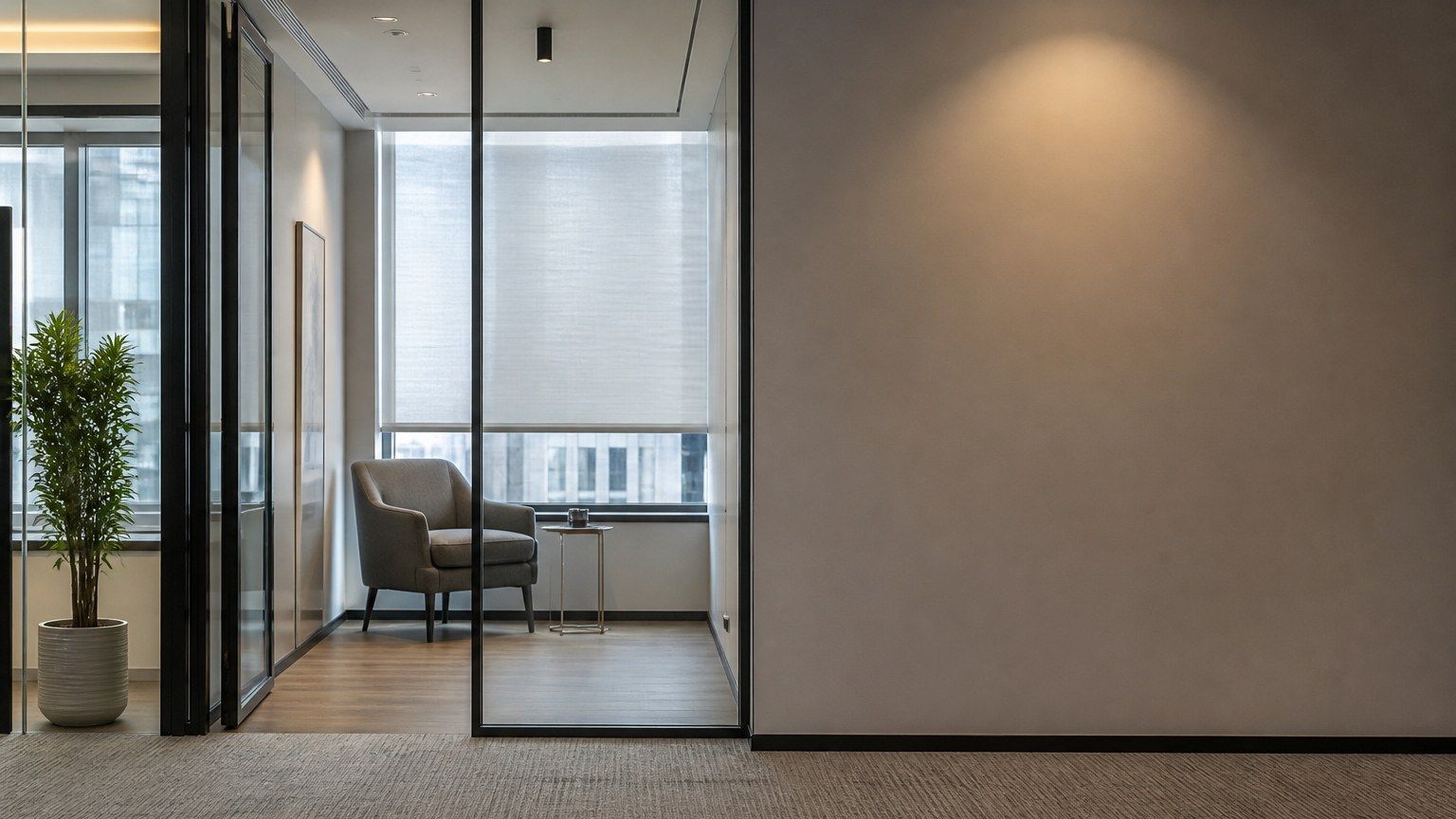
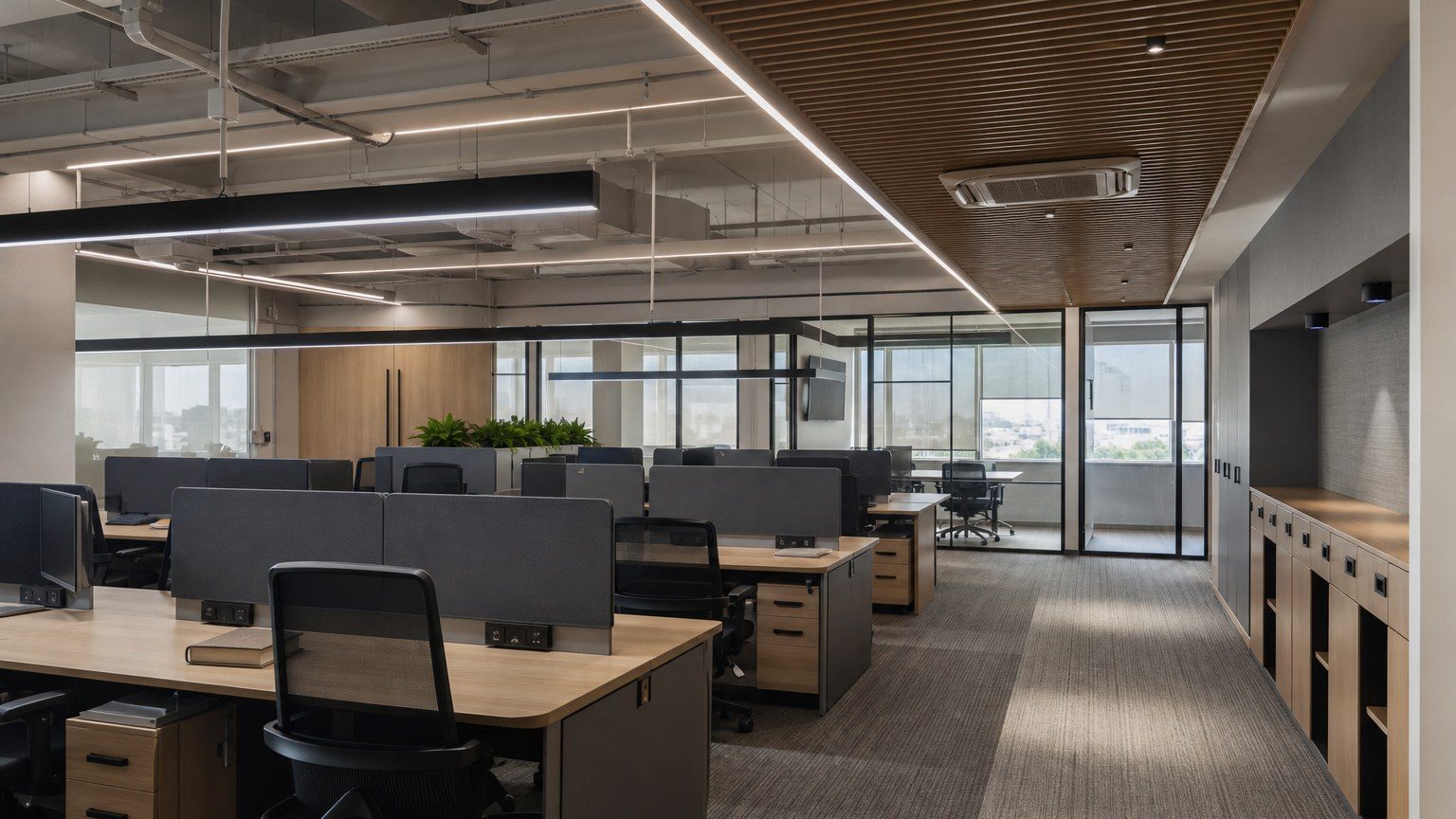
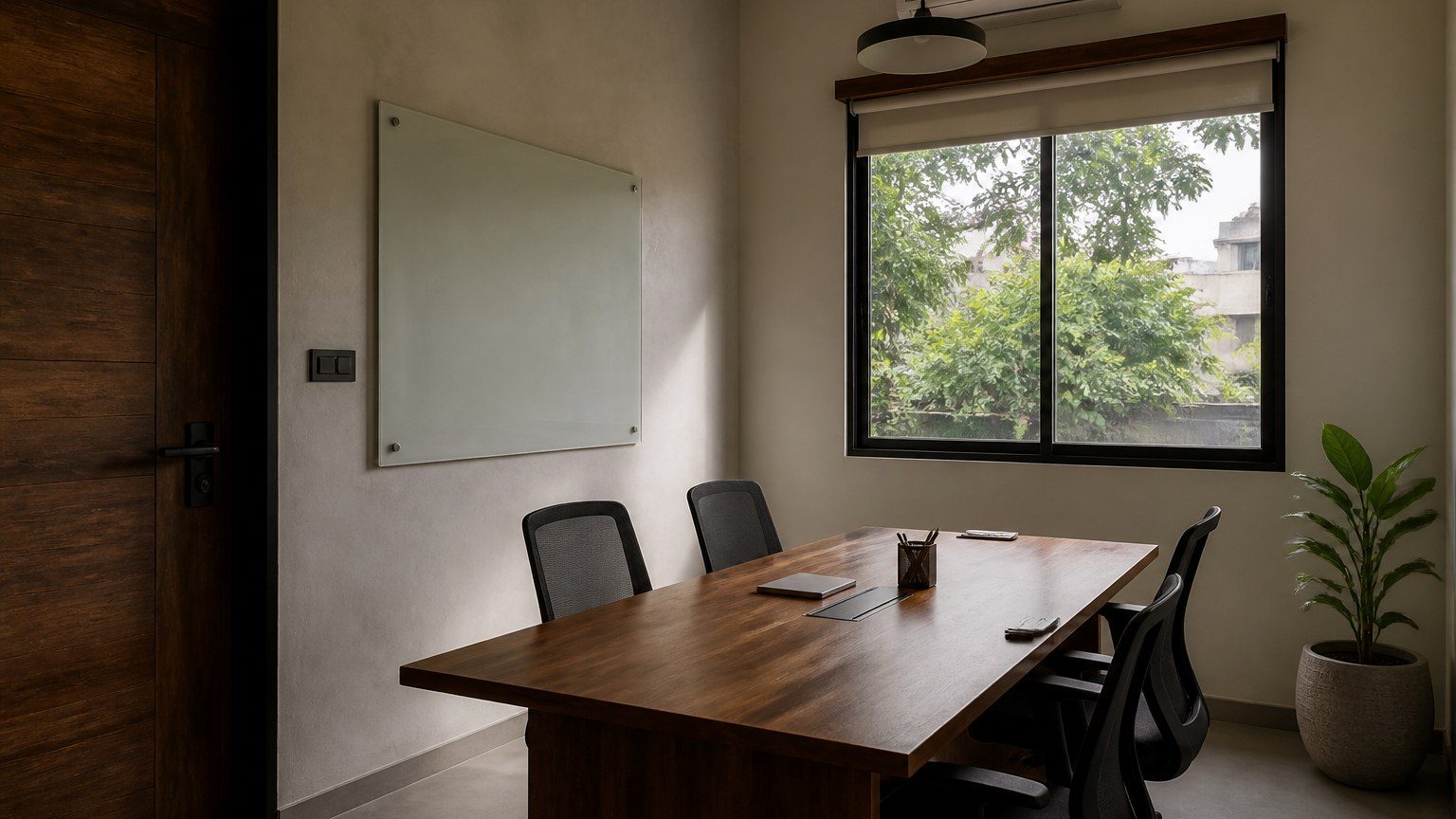
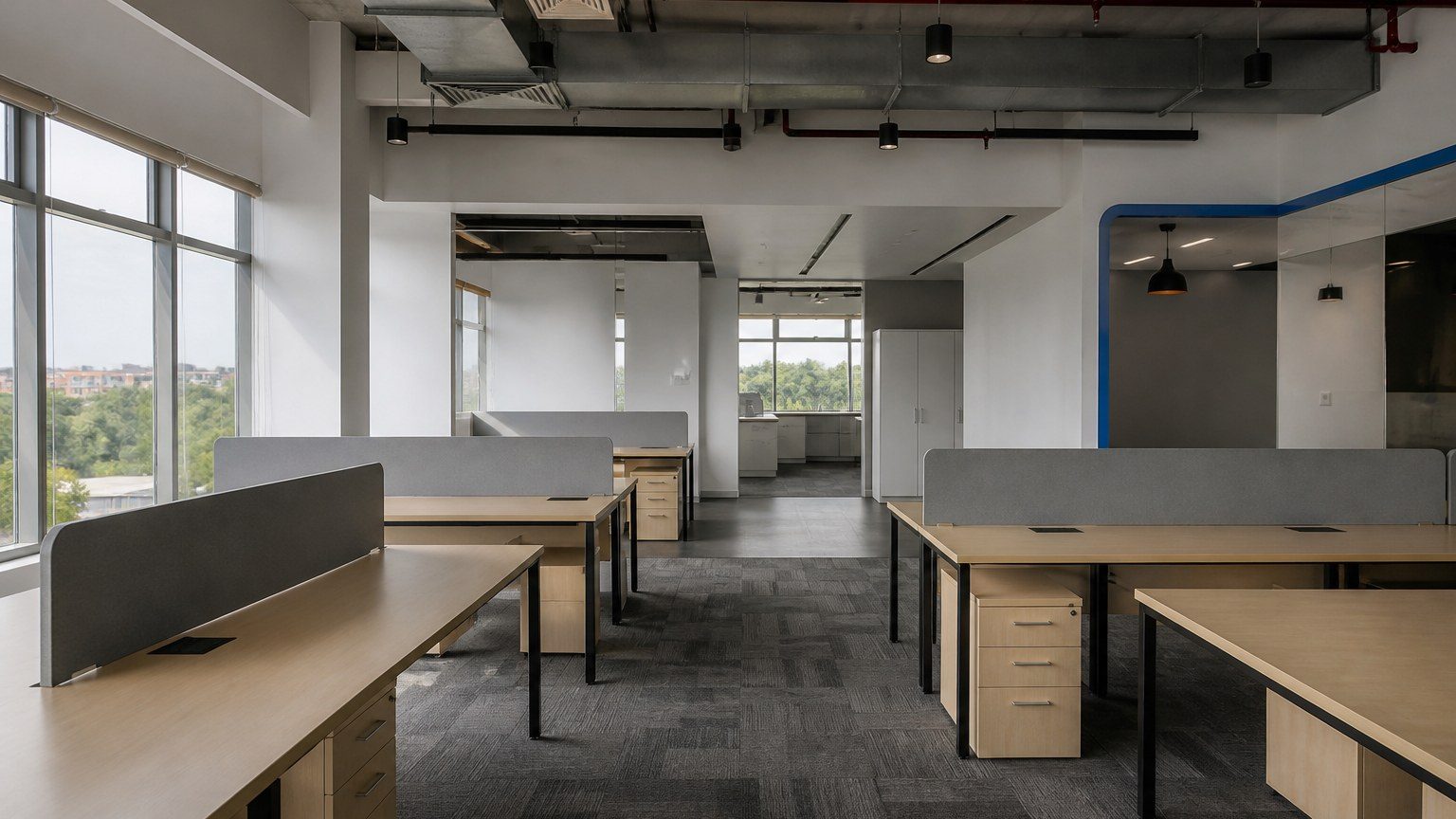
Power and data in a grid, not only under today’s desks. Light that still works if a partition moves. A quiet room that is not branded as the founder’s office. Storage that can grow without a new joinery package. These are dull sentences and they are how a small workplace avoids becoming disposable. Identity can live in a few materials and a threshold, not in a mural that will date with the pitch deck.
Closing thought
Design for the team that is not yet hired. The current one will still be able to sit down.
If the office can only mean this company, this year, it is already too tight.