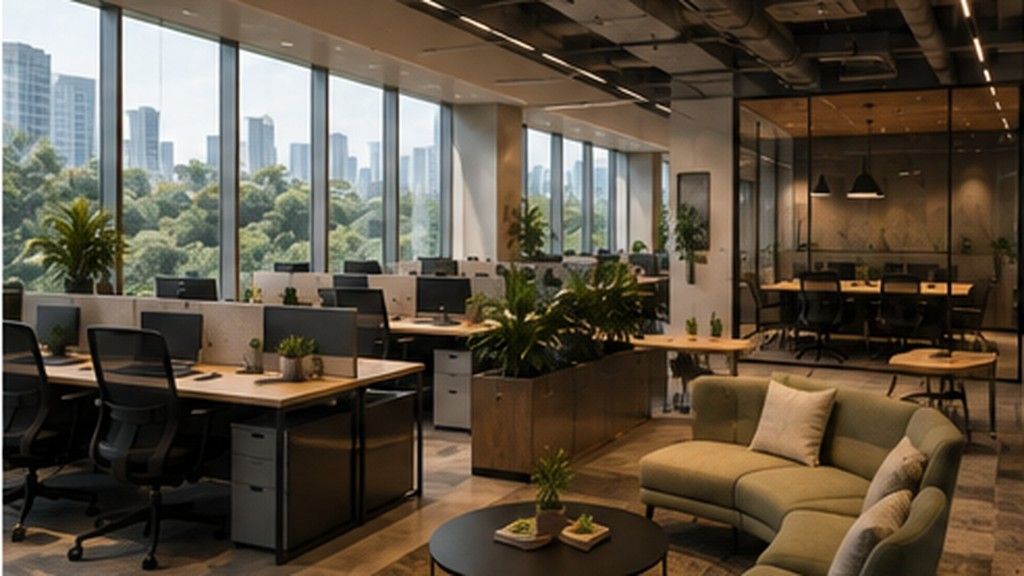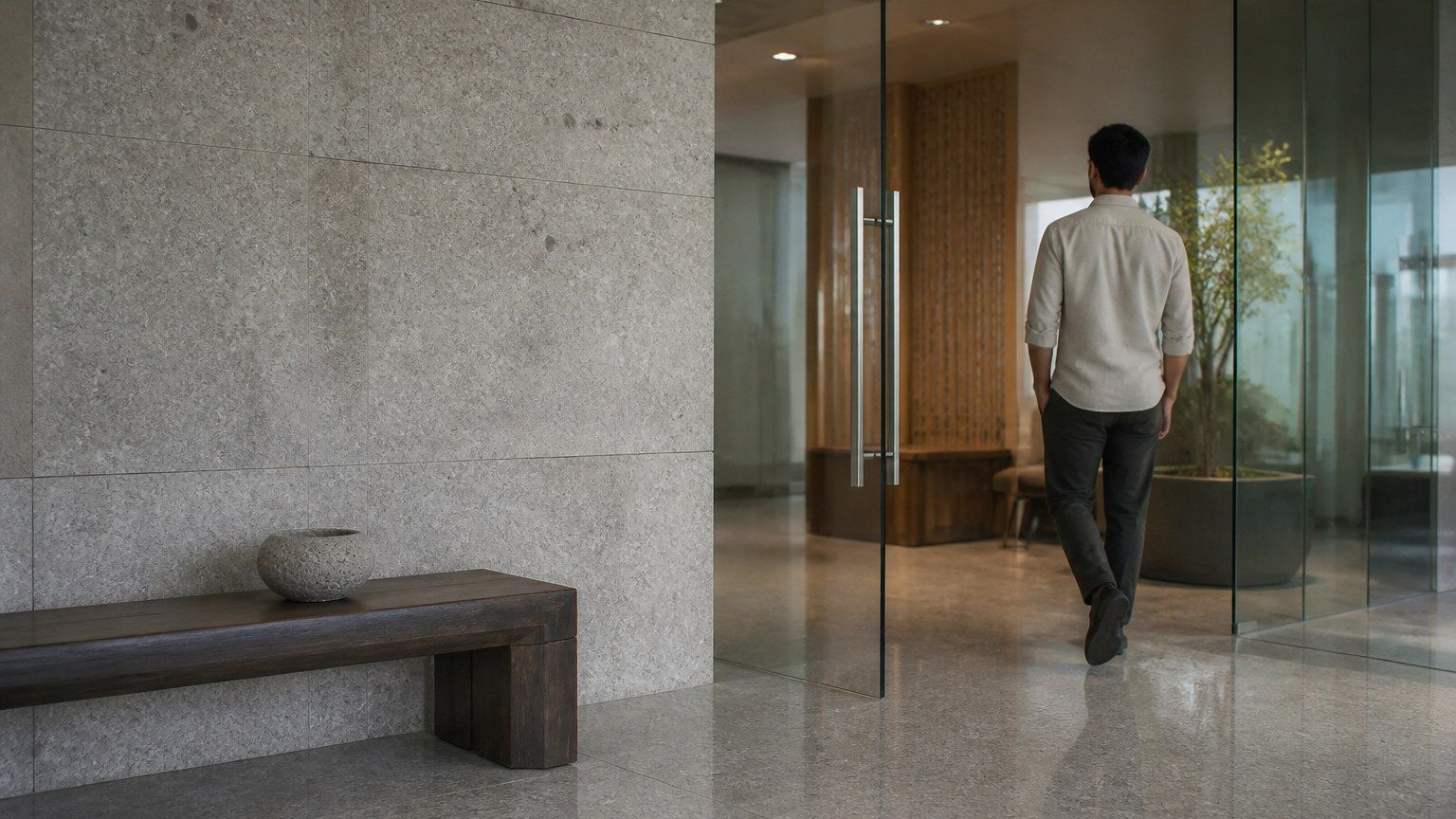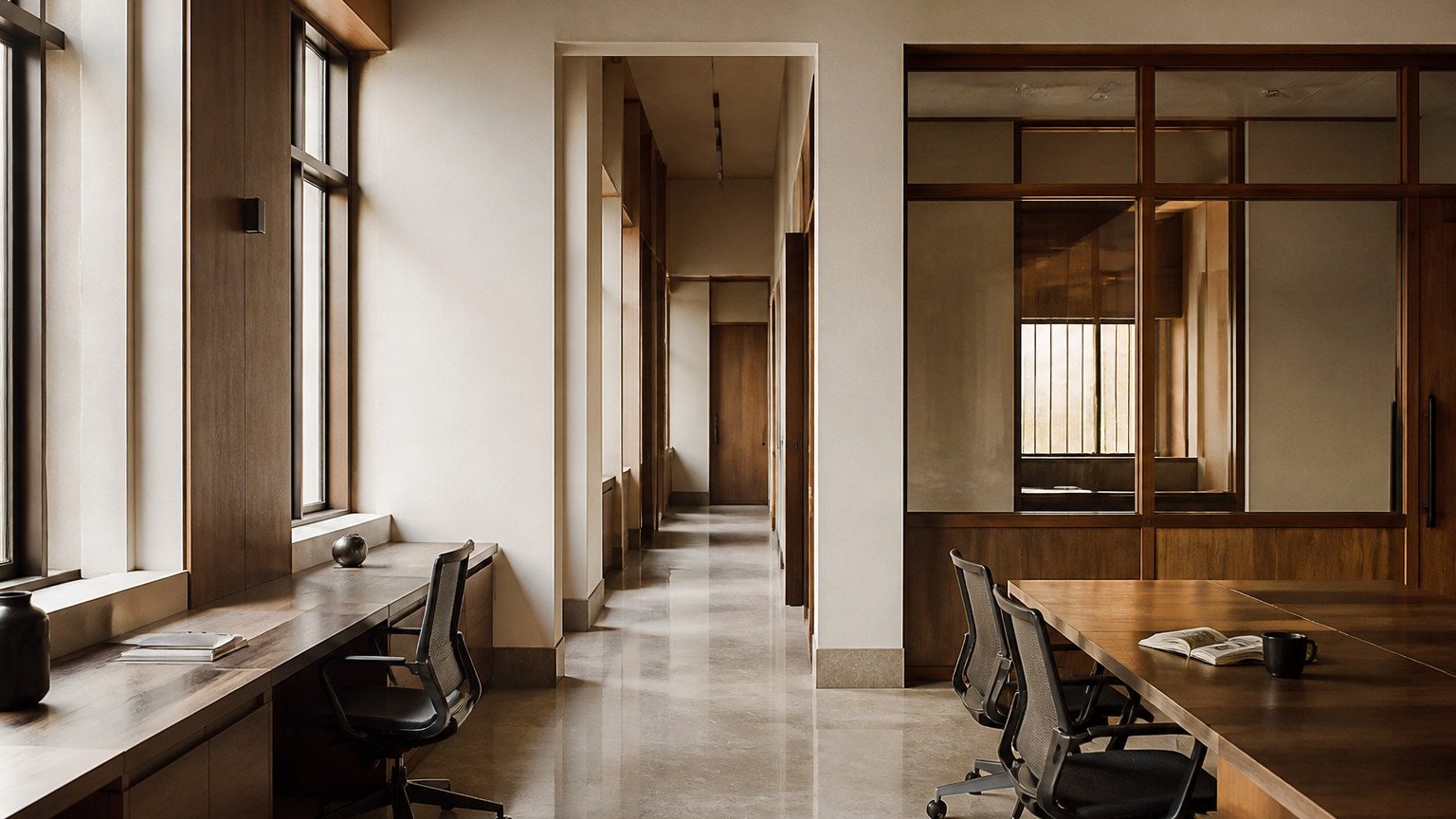
Longevity begins as a design premise, not as a later claim about materials.
Much of the discussion around sustainable interiors still begins with what is introduced into a space — a material, a system, a visible intervention that announces responsibility. Those choices can matter. They are not, on their own, the first decision.
The more consequential question is how long the interior is expected to last.
An office is rarely taken apart because it has failed structurally. It is replaced because it feels dated, because it cannot absorb a change in how people work, or because it was specified for a moment rather than for years of use. Each replacement carries a cost that is easy to overlook: demolition, new materials, disruption, and the quiet admission that the previous interior was never designed to endure.
At Blucap, longevity is not treated as a happy outcome of good design. It is the premise on which the work is built.
Longevity as the First Sustainable Decision
The philosophy is straightforward. Before asking what should be added to a room, ask how long the room is meant to remain relevant.
Corporate interiors are often dismantled while they are still physically sound. They are replaced because they no longer match a culture, a headcount, or a way of working. When an interior is conceived with long-term relevance in mind, the need for frequent renovation diminishes — and with it, the environmental cost of repeated fit-outs.
That cost is not only the new work. It is the old work discarded: materials that never reached the end of their useful life, labour spent twice, and a workplace interrupted so that it can be made to look current again.
Sustainability, in that sense, begins before a finish is selected. It begins with the decision not to design a space that will have to be undone.
Longevity is not an eventual outcome of good design. It is the premise on which every decision is built.
Designing for Change Without Demolition
Change is inevitable in corporate environments. Teams grow, contract and reorganise. Ways of working shift in directions that cannot always be predicted at the start of a project.
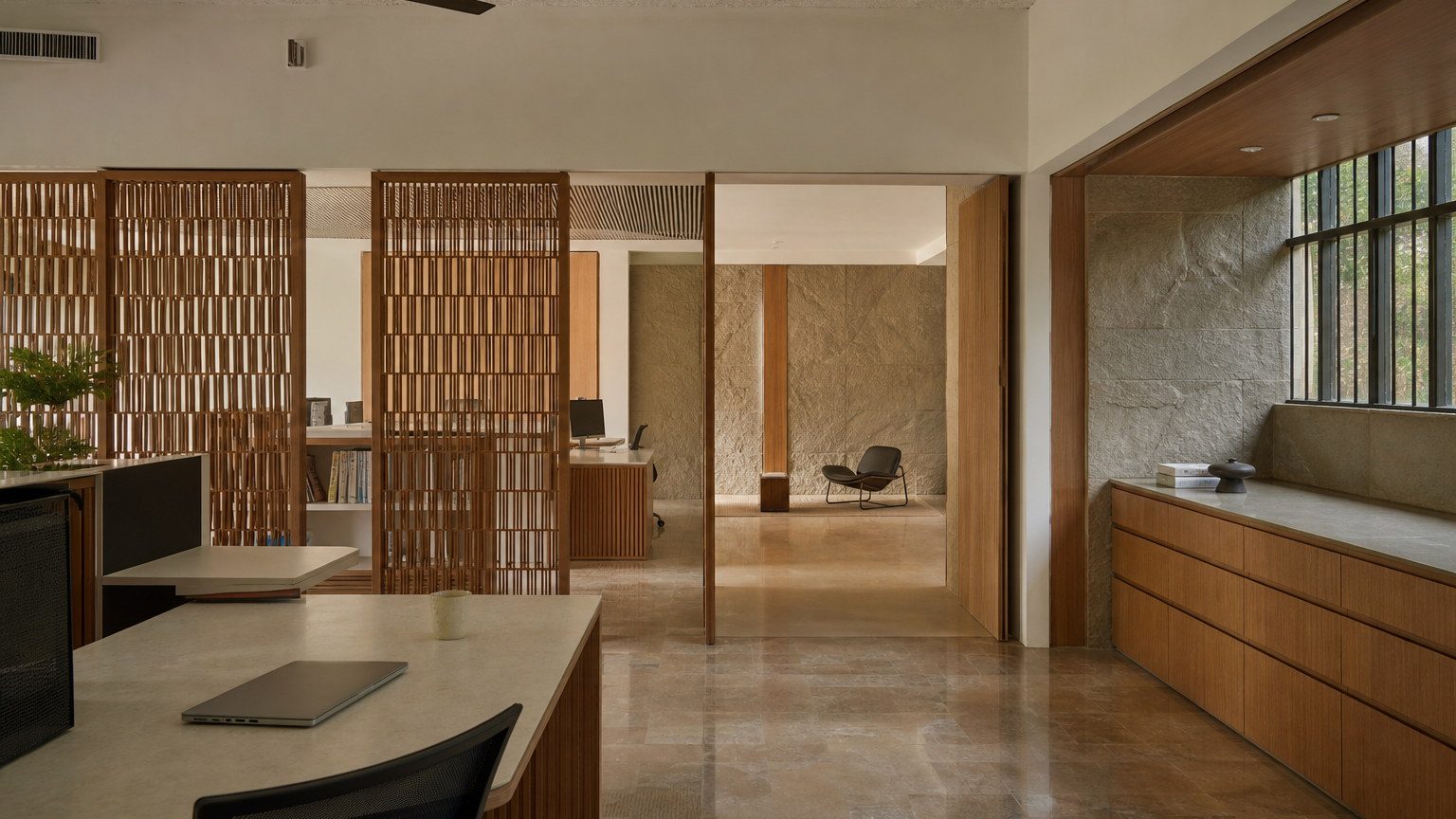
A durable interior does not pretend that this will not happen. It is planned as a framework that can accommodate evolution rather than resist it: layouts that can be recalibrated, zones that can be reinterpreted, and proportions that remain comfortable as density changes. The aim is not a room that can become anything. It is a room that is not locked to a single organigram.
This is where demolition becomes a design failure rather than an inevitable later phase. When walls, services and furniture are specified only for one moment in a company’s life, the next change has nowhere to go except through the existing work. A more durable approach keeps the architecture calm and lets density, furniture and lighter partitions take the movement — so the interior can shift without being taken apart.
Longevity emerges not from freezing a space in time, but from allowing it to adapt without destruction. When change is absorbed rather than erased and rebuilt, sustainability becomes inherent rather than reactive.
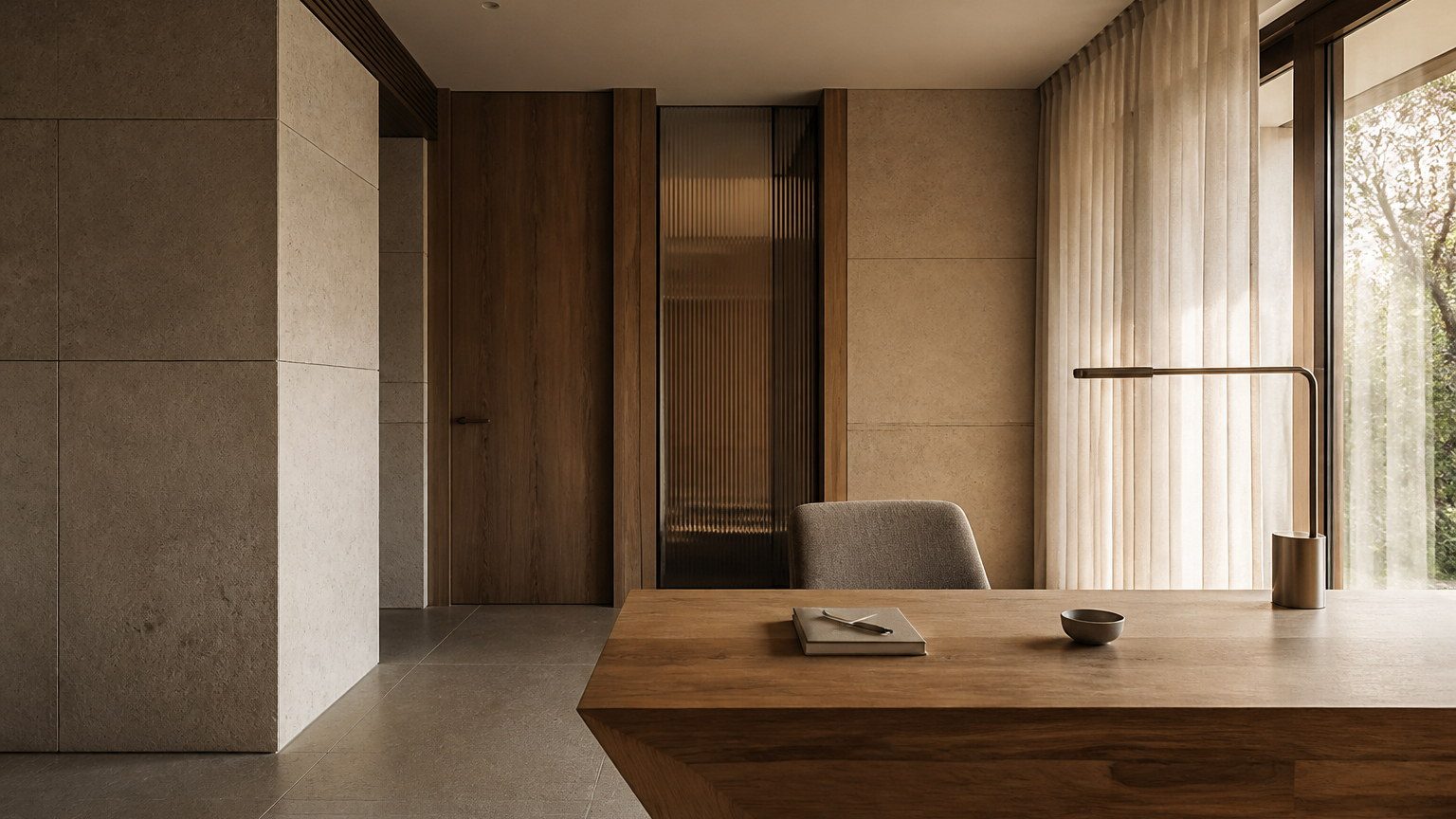
Restraint as a Long-Term Strategy
Restraint is often mistaken for an aesthetic preference — a taste for less. In practice it is a strategic position.
Interiors burdened with excessive materials or trend-driven gestures tend to age quickly. They invite replacement rather than continuity, because the room was assembled to look current rather than to remain patient. Deliberate editing is not an exercise in minimalism. It is a way of creating time inside a space.
By limiting the material palette and allowing each element to perform fully, a room gains the ability to age with dignity. Stone, timber, metal and quieter surfaces do not need to announce themselves every year. They need to be chosen well enough to be left alone.
Restraint does not reduce richness. It preserves it.
Over time, it is this kind of restraint that allows an interior to remain relevant without demanding reinvention.
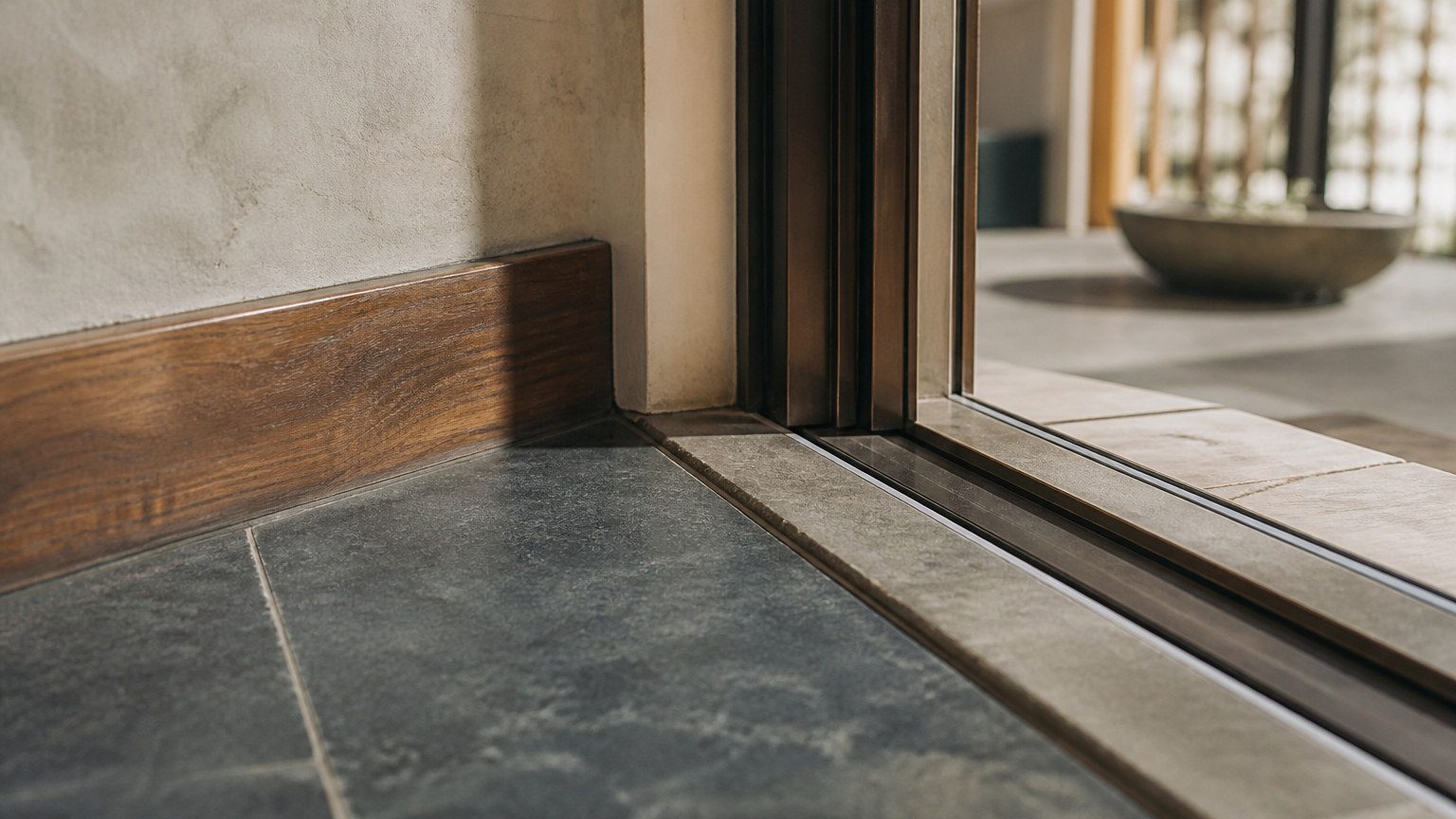
Maintenance Intelligence as Sustainable Practice
Sustainability reveals itself most clearly in daily use. Finishes that demand constant care, or systems that require frequent replacement, undermine even a well-intentioned design narrative. The room may photograph as responsible. It will not live that way.
Material decisions have to be made with operational reality in view: footfall, cleaning, repair, and the ordinary wear of a working interior. Edges and junctions — where floor meets wall, where a surface takes traffic — are where that reality shows first. A finish that can only be maintained under showroom conditions is not a durable finish. It is a delay before the next intervention.
Longevity depends as much on this kind of maintenance intelligence as on the original design intent. A space that performs quietly over years of use is often the most sustainable of all — not because it makes a claim, but because it does not need to be rescued.
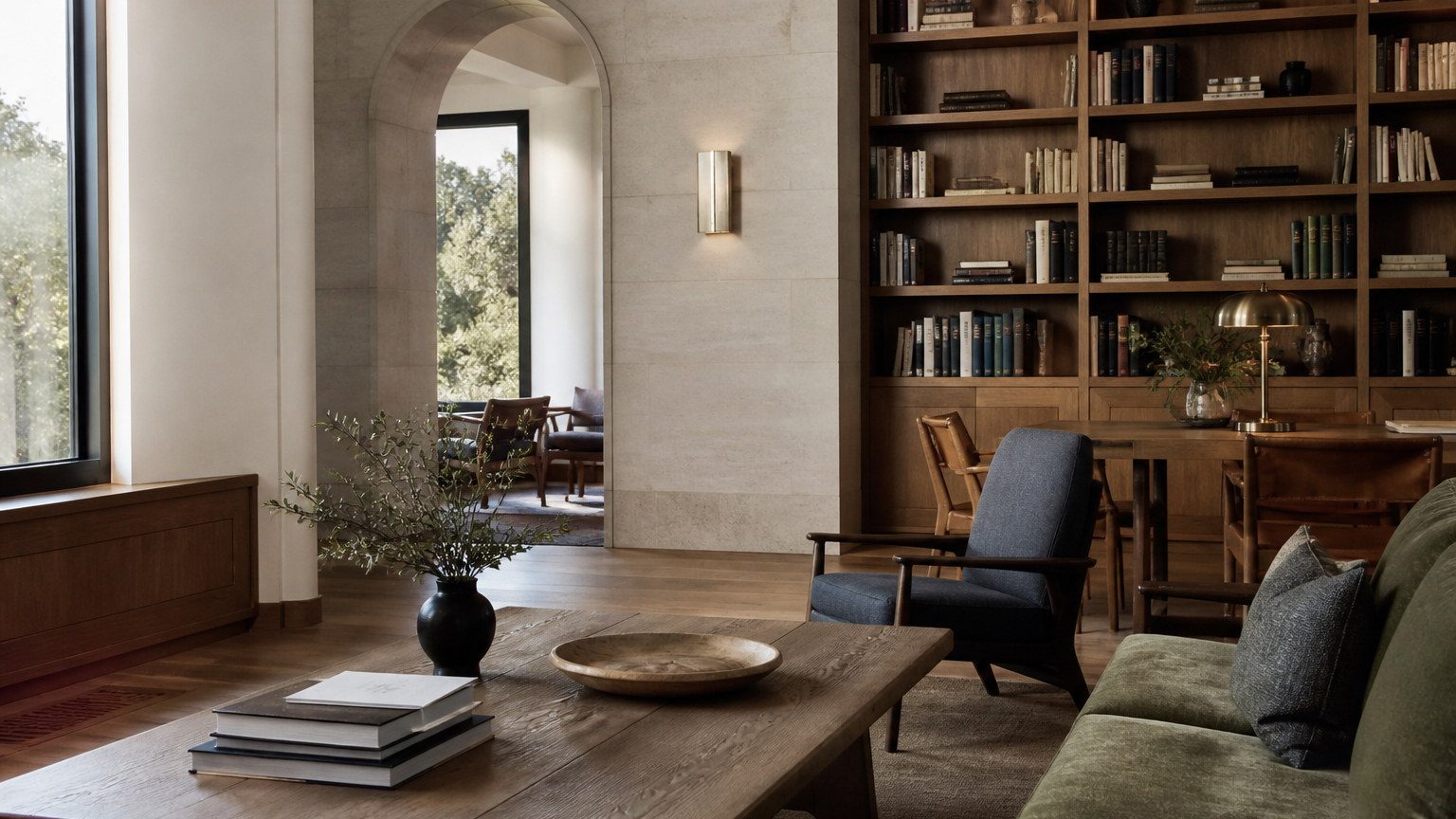
Emotional Durability
One of the least discussed dimensions of sustainability is emotional durability: whether the people who occupy a space want to keep it.
Offices that feel intuitive, calm and balanced are less likely to be rejected. Comfort and clarity reduce the impulse for unnecessary change. Visual noise, aggressive theming and over-branding tend to do the opposite. They date quickly, and they tire the people who have to live with them every day.
Spaces that allow work and culture to take precedence endure longer. When people feel at ease in an environment, they are more inclined to preserve it than to replace it. That attachment is not decoration. It is part of how an interior lasts.
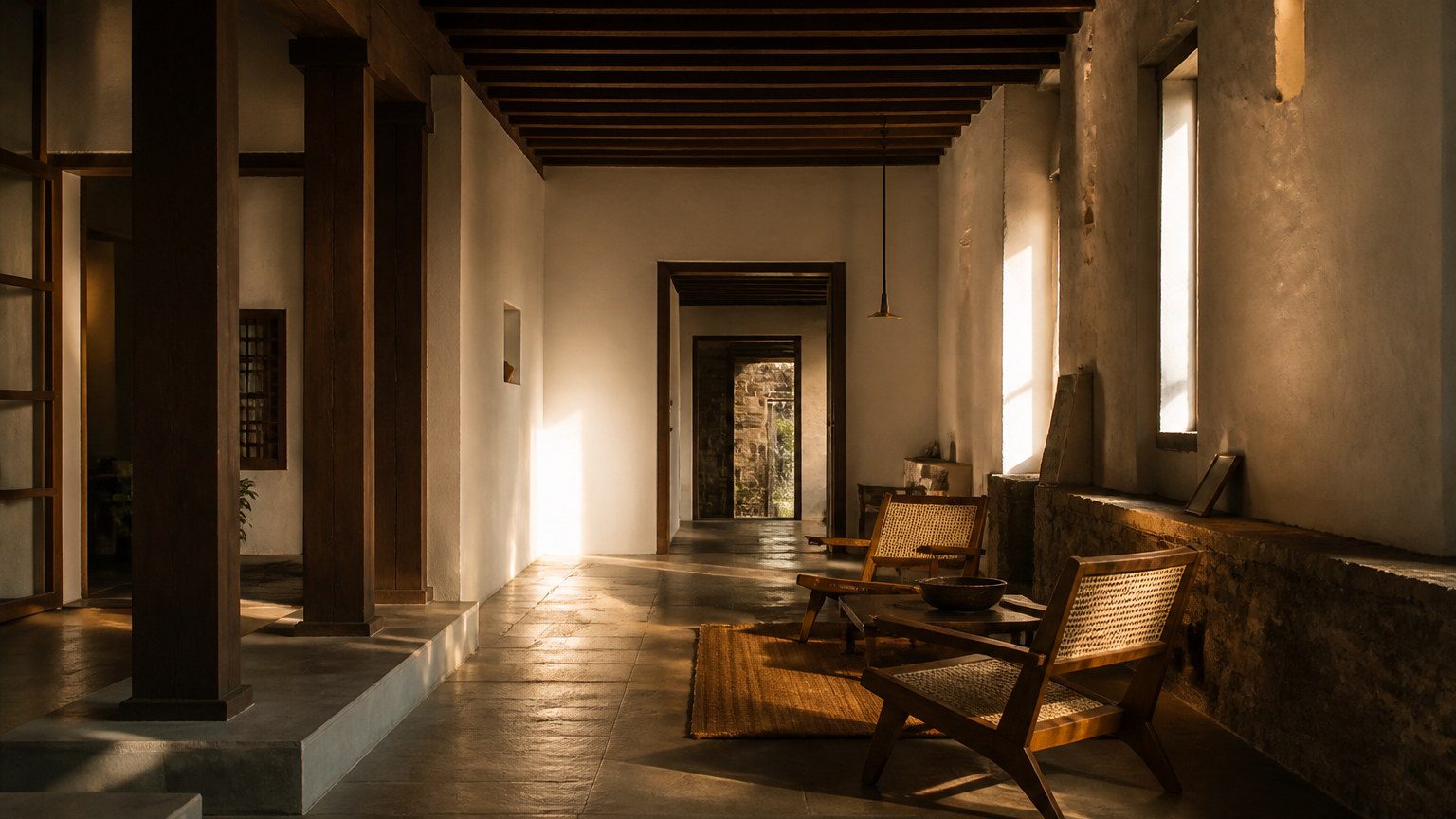
A Quieter, Longer View of Sustainability
Designing for longevity requires restraint, foresight, and a willingness to look beyond immediate impact. Responsibility does not need to be loudly expressed to be effective. It can be embedded in proportions that remain relevant, materials that age honestly, and layouts that adapt without disruption.
The most sustainable corporate office is not the one that announces its intentions. It is the one that continues to function, evolve and belong — quietly and confidently — over many years.
Closing thought
Sustainability in interiors is often discussed as a catalogue of additions. The more demanding work is editorial: deciding what a room will still be for, long after the first photograph has been taken.
Longevity, in this sense, becomes sustainability’s most enduring expression.